The Founder Who Chose Purpose Over Profit
Jan 05, 2026During my time at a co-living chateau in Normandy, Edouard and I sat down to talk. He told me about walking away from a robotics startup just as they were about to raise outside investment. Today, he teaches robotics online with geo-targeted pricing that makes his courses accessible to anyone who wants to learn, regardless of where they live or what they can afford. He's also opening a co-living space. This is the story of someone who kept redefining success until he found what actually mattered.
The Startup That Worked Too Well
Edouard didn't leave his robotics startup because it was failing. He left because it was succeeding, and that success was taking it in a direction that made sense for the company but wasn't where he wanted to go.
"Nothing did go wrong. I just decided I didn't want to continue anymore. And I wanted to travel. And also I was not so aligned with where we were going. I was very motivated at the beginning, but then at some point I didn't really like where we were going. It made sense to go where we were going. But I didn't really like it myself. I didn't feel that motivated to continue."
The startup had built educational robotic arms, 10 to 20 times cheaper than industrial ones, selling them to universities for around €2,000 each. They were doing well, growing steadily, positioning for the next stage.
Moving from education to industrial markets was the logical next step for the business. But it meant certifications, regulations, complexity. Managing engineering teams. Raising venture capital. It was the right move for the company, but Edouard realised it wasn't right for him.
"If you go into that deal, you stay for like seven, ten years. It doesn't make sense as a co-founder to just quit after that. So that was the right moment for me to just quit."
When I asked what triggered the decision, he told me about a trip during university in 2014 where he'd spent two months travelling through the US and Canada as part of a work experience requirement.
"When I did this, I realised, oh, I want to travel. Not just going one week holiday somewhere, but spending like one month, two months in one place, meeting the people, discovering the culture of the people. It was kind of like an awakening."
But then came the startup. Three years of building, no time to travel. By March 2019, burnt out and needing a break, he took a two-week holiday to Vietnam.
"I was like, okay, I needed this break. I'm going to be recharged. I go there, it's nice, I come back. I don't feel recharged. I came back, it was like the first day. I was like, oh my God, no, no, no."
The Vietnam trip re-awakened something he'd been longing for since that university trip five years earlier. He told his co-founder a month or two later. Stayed for another five or six months to properly transition out. Left in September 2019, right before they would have raised investment and locked himself in for years.
The Backup Plan: Teaching What He'd Learned
Edouard had a backup plan before he left. He'd learned robotics deeply through the startup. He'd taught himself marketing from scratch to sell those robotic arms. He'd done private tutoring before and enjoyed the educational side.
"I think when you have different skill sets that are not necessarily matching, it can be a very good combo. How many good robotics engineers are going to be good at explaining what they do? How many engineers like marketing? Not so many."
His realisation was specific: "I wouldn't say I'm an expert in robotics. I'm an expert at teaching robotics online. It's not the same thing."
After leaving the startup, he took two months to do nothing. French unemployment benefits covered basics whilst he started writing technical tutorials. Then he began recording courses.
When I asked how he validated the concept, he was matter-of-fact: "I started to get a bit of money from that. Nothing that was enough to break the government money, but it was starting to work. I kind of validated the concept quite early."
He tried selling courses on his own website first. Premium pricing, full control. It didn't work. Then he put them on Udemy.
"I had double the sales with no marketing."
The platform model worked better, but not just for the obvious reasons.
The ₹400 Course: Making Education Accessible Everywhere
Edouard's second-largest market after Europe isn't America. It's India.
"You cannot say to Indian people who are learning to code, pay $100. They're going to say no."
But Udemy has geo-targeted pricing. A course might cost ₹400 in India, about $3, making it affordable for students there.
"It's quite nice in a way that everybody in all the countries can actually pay something that's affordable for them. So in the end you just get customers from all over the world."
This wasn't just business strategy. When I asked about what success looks like now, revenue wasn't the only thing he mentioned.
"It's not just about the numbers. It's also when you get nice reviews of people saying, 'Hey, thanks to you, I could actually get my career into this.' That motivates me. Like, 'This motivated me to do this project. Finally, I can understand.'"
The shift from startup founder to teacher changed what success meant.
"Success for me is not just about business. Success is also just living the life you like, spending good time, helping people."
By 2020, after about a year of building courses, he'd stopped needing government unemployment benefits. His business was growing steadily.
"It was never like a big bump, like a big buzz or whatever. It was always kind of linear growth. But I like stable growth. It's like, the more work I put in, the better the result."
When "Passive Income" Isn't Actually Passive
The online course business gave Edouard something the startup couldn't: the ability to travel. To live in co-livings. To work from anywhere.
But when I asked if it was passive income, he pushed back on the term.
"I don't like that word that much. The money I earn this month has nothing to do with what I'm doing this month. That's how I define passive. It's because of the work before. But if I stop working on it, it's going to go down."
Software and robotics evolve. Courses need re-recording every three or four years or they become obsolete. Platforms change their commission rates. Competition appears. AI changes how people learn.
"Can I keep having this lifestyle with this business? Yeah, for a few years. And at some point it's going to crash. Five years, ten years, I guess."
Current maintenance: about ten hours per week. Enough to sustain his lifestyle whilst having time for other projects.
Which brings us to why someone running a successful online education business, living exactly the nomadic life he wanted, decided to start something completely different.
Five Years in Co-Livings: From Guest to Builder
When I asked why he's opening a co-living, Edouard was refreshingly honest.
"I was talking about teaching robotics and stuff. I'm not that passionate about this anymore. I don't find the motivation to continue on this. I wish I would be passionate because then I could go much further with that business and just continue travelling. But it's just not fulfilling anymore that much."
He's been living in co-livings for five years. Not continuously, he rented a flat in Spain at one point, but co-livings have been central to his nomadic life.
"When you're nomadic, when you're travelling and working online, it's hard to find proper accommodation with good working setup, good Wi-Fi, silence, an ergonomic chair. It seems easy, but it's not. And then you also need community. You go to a hostel, but everybody's leaving in three days. Co-living solves both."
The idea of opening his own had been there almost from the beginning.
"I had this idea basically since I've been to co-livings. I was like, oh, maybe one day I could create my own. But just as an idea."
Then, whilst travelling, something clicked. He realised it was time.
"Having seen other co-livings, I see how co-living evolves. Different owners, different values, different approaches. I was like, yeah, I would like to actually create my own co-living with my own values. Basically having my own place, kind of."
When I asked what values he wants to bring, his answer was immediate: "A place that's kind of like a homey place, that is open most of the time so that you can come home, feel like home, and then you can come back. Authenticity, sharing stuff with others, spending time together, a bit of fun. Just feeling home."
When I asked him to define what a co-living actually is, he struggled. We all did. Eventually, after some back and forth with others around us, we settled on something simple: "It's a feeling."
Then, more specifically from Edouard: "Yeah, it's like a family feeling. Everybody has a different definition of family. But for me it's like you feel good here with other people. Of course it's not because everybody's going to move on with their life and go different places. So it's for a few weeks, a few months. But yeah, it's like family feeling."
Success Measured in Feeling, Not Metrics
Looking back over Edouard's journey, a pattern emerges. Not the three-year cycle of projects, but something deeper: each time he's walked away from financial success to find a different kind of success.
He left a profitable startup right before raising investment. He chose Udemy's lower prices and global accessibility over premium pricing and higher margins. Now he's starting something entirely new.
"When I went to my first co-living, it was late 2020. My business started to grow a bit more. And then I realised that's also what I want to do. I want to go to co-livings and find community. And I could have a good work-life balance. And I was like, yeah, this is wealth, and this is what success looks like. It's not just the business. It's also having the time, having the people."
The robotics courses aren't going away. He'll maintain them, keep them updated, spend his ten hours per week. But his focus is shifting to the co-living.
When I asked where he imagines he'll be in three years, he described it clearly: "The co-living is going to take at least one or two years to set up properly with renovation, then you launch it. The first year is very experimental, the second year is a bit more stable. And then on the third year, I'm going to be in my co-living, maybe stay there as a host, keep travelling for a few months."
And in five years? "Maybe I'm going to have another project. I don't know."
The Real Metric
Today, Edouard continues running his robotics courses, teaching students around the world with pricing that makes sense for each economy. He's planning a co-living space that prioritises feeling over facilities, community over business metrics.
As our conversation wrapped up in the chateau where he's currently staying, it became clear that Edouard's real skill isn't robotics or teaching or even business building.
It's knowing when to walk away from success to find it somewhere else.
For Edouard, success was never about the revenue numbers or the investment rounds or even the growing course sales. It was about the student who finally understood robotics. The ₹400 that made education accessible in India. The family feeling in a co-living where people feel at home, even if just for a few weeks.
"It's not just about the numbers. Success is also just living the life you like."
That's a metric that actually matters.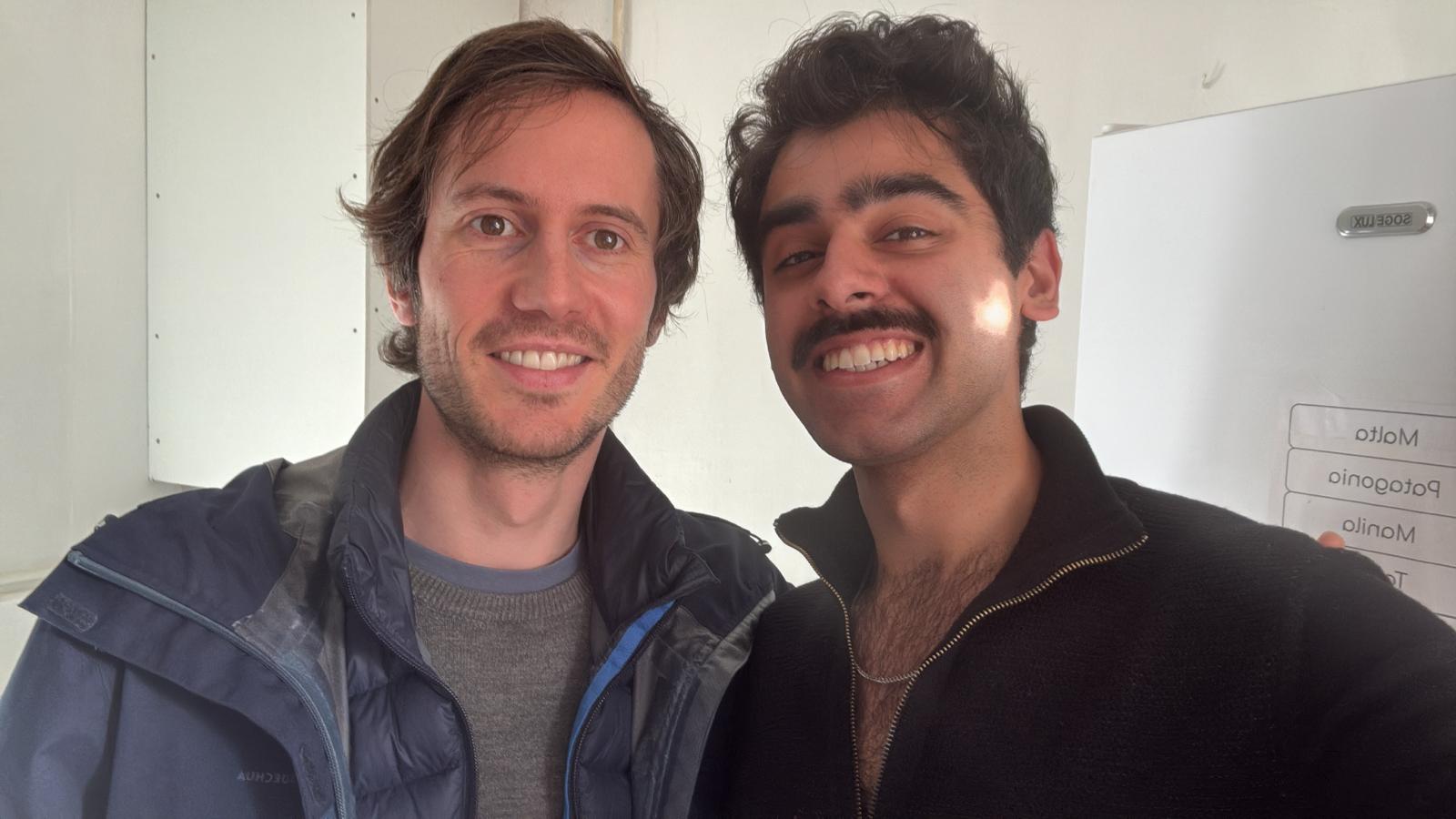
Take some time to read some of Ibi's other blogs